Why Does Pasta Water Make Sauce Creamy? (A Food Scientist Explains)

If you’ve ever watched someone add a ladle of pasta water to a sauce and thought “what is that actually doing?”…this guide is for you! I discovered this trick completely by accident during my university days in Poland. I was a broke student living on pasta with tomato sauce, and one day I splashed in some of the cooking water. The sauce suddenly tasted richer, felt silkier, and clung to the pasta in a way it never had before. I’ve done it every single time since and now, as a food scientist, I can actually explain why it works.
What’s actually in pasta water?
Plain tap water and pasta water look similar, but they’re very different things by the time your pasta is cooked.
As pasta cooks, it releases starch into the water. This is the same starch that makes up the structure of the pasta itself. It has long chains of glucose molecules that dissolve into the cooking water and turn it slightly cloudy and thick. The longer you cook pasta and the less water you use, the more concentrated this starch becomes.
This starchy, slightly salty water is the secret ingredient.
Food Science Corner
Three things pasta water does (and the science behind each one)
1. Starch thickens the sauce and helps it coat the pasta
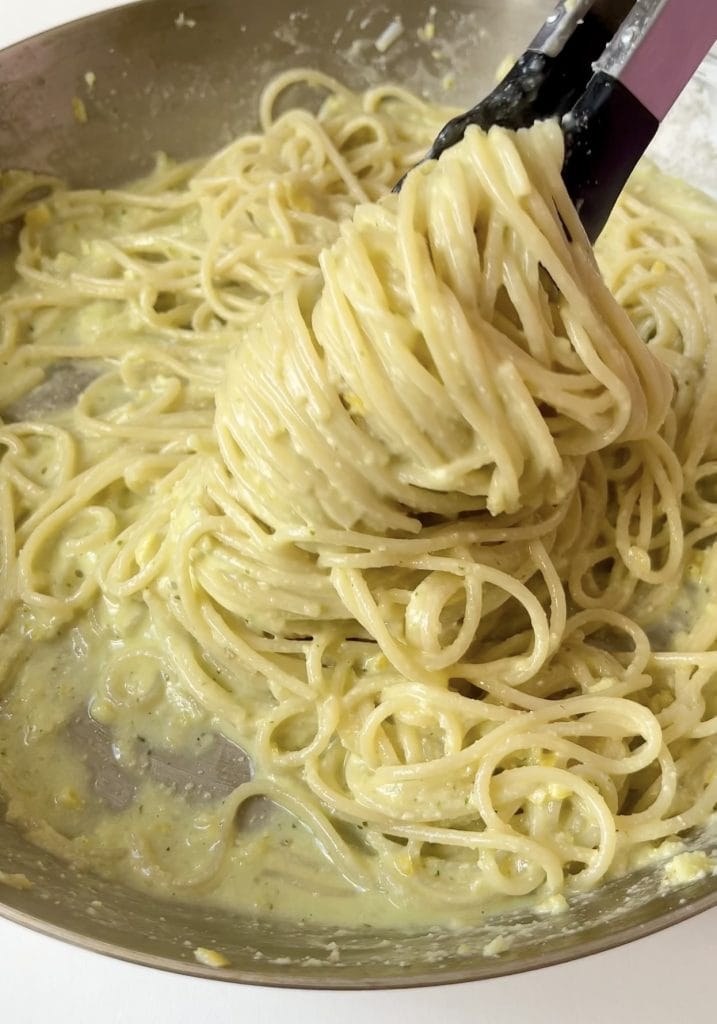
As pasta cooks, it releases starch into the water. When you add a splash of this starchy water to a hot sauce, the starch slightly thickens the liquid, giving it a smoother, silkier texture without needing extra cream or butter. It also helps the sauce cling to the pasta, so every bite is evenly coated instead of the sauce collecting at the bottom of the bowl.
2. Starch helps bring the sauce together
Many pasta sauces contain both fat (from olive oil, butter or cheese) and water, which naturally tend to separate. The starch in pasta water helps keep these ingredients blended together for longer, creating a smoother, more cohesive sauce. That’s why pasta water is such an important ingredient in dishes like carbonara and cacio e pepe, where there isn’t any cream to hold the sauce together.
3. Salt enhances the flavour
Well-salted pasta water does more than season the pasta itself. A small amount of that salty, starchy water also seasons the sauce, helping to balance and enhance its flavours. Combined with the smoother texture created by the starch, it gives the sauce a richer, more rounded taste without changing the recipe.
How to use pasta water properly
Knowing the science is one thing… here’s how to actually use it well:
Reserve it before you drain. This sounds obvious but it’s easy to forget. Keep a mug or cup next to the hob and scoop out at least a full cup of pasta water just before you drain.
Use it towards the end of cooking. Add pasta water to your sauce just before (or right after) you add the pasta. This is when the sauce needs loosening and the starch has the most impact.
Add it gradually. Start with a small splash (a few tablespoons) and toss the pasta vigorously. Add more if needed. You want the sauce to coat the pasta and look glossy, not watery.
Keep the heat on. Pasta water works best when the pan is still hot. The heat activates the starch and helps the emulsion form. If your pan has gone cold, warm it back up before adding the water.
Don’t rinse your pasta. Rinsing removes the surface starch from the pasta itself. The starch that also helps sauce cling. Drain, don’t rinse, always.
Does the type of pasta matter?
Yes! Not all pasta creates the same cooking water. The amount of starch released depends on factors such as whether the pasta is fresh or dried, how it’s made, and how long it’s cooked.
Dried pasta generally releases more starch into the cooking water than fresh pasta, creating the cloudy, starchy liquid that’s perfect for making silky sauces.
That’s why dried pasta is often the better choice for dishes like carbonara, cacio e pepe and aglio e olio. The extra starch helps the sauce come together more easily and coat the pasta beautifully.
Quick summary
Pasta water makes sauce creamy because it contains dissolved starch, which thickens the sauce, helps oil and water bind together, and makes the sauce cling to the pasta. Reserve at least a cup before draining, add it gradually to a hot pan, and toss vigorously. It works in almost every pasta dish, from simple tomato sauce to creamy cheese-based sauces.
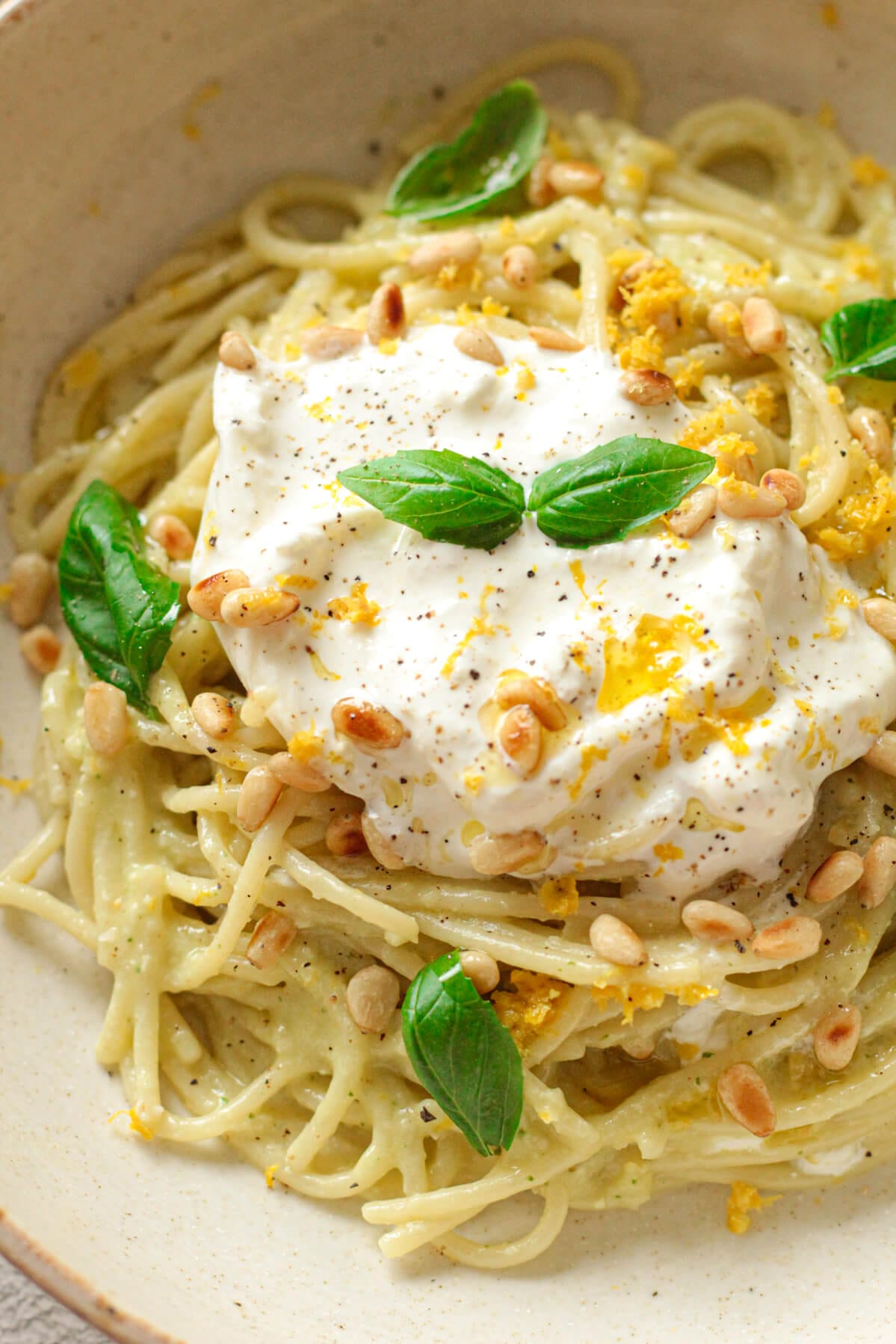
Ready to put this into practice? Try it with my 15-Minute Creamy Nduja Pasta, Lemon Pesto Pasta with Burrata, or Marry Me Chicken Pasta – all three rely on pasta water for that perfectly silky sauce.